Understanding Family Values of Balkan Women

Family is not just important to Balkan women - it is the foundation of every decision they make, including who they choose as a life partner. Here is what that means for you.

By Wordspace Editorial Team February 11, 2026
Key Takeaway: Balkan women build their lives around family - not as a vague ideal, but as a daily practice rooted in centuries of communal tradition. If you want a relationship with a Balkan woman, you are not just dating her. You are joining a family system that values loyalty, respect for elders, and collective commitment above all else. Understanding and embracing this is the single most important step toward a successful relationship.

Why Family Values Are Non-Negotiable for Balkan Women

For Balkan women, family is not a weekend obligation or a holiday ritual - it is the organizing principle of daily life. Every major decision, from career moves to romantic partnerships, passes through the lens of family impact. When a Balkan woman evaluates you as a potential partner, she is not only assessing your compatibility with her. She is assessing whether you fit into the broader family structure that defines her identity. On Wordspace Dating, men who understand this dynamic consistently build deeper, faster connections with Balkan women than those who approach the relationship as a purely individual pursuit.

Across all seven Balkan nations - Albania, Serbia, Bosnia, Croatia, Slovenia, Macedonia, and Montenegro - family remains the bedrock of social life. While the specific expressions vary by country and generation, the core principle is universal: family comes first. This is not a cultural relic fading with modernization. In 2026, even highly educated, career-driven Balkan women living in cities like Belgrade, Zagreb, and Tirana maintain deep family ties. They call their mothers daily. They eat Sunday lunch with their grandparents. They consult their fathers before making major life decisions. And they expect their partners to respect and participate in this dynamic - not reluctantly, but wholeheartedly.
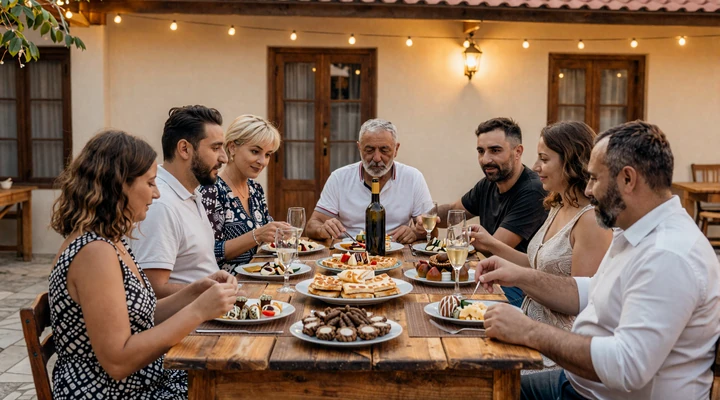
Multi-generational Balkan family sharing a traditional dinner outdoors in a warm Mediterranean courtyard

For American men who grew up in a culture that prizes independence and self-reliance, this level of family integration can feel unfamiliar. But it is precisely what makes Balkan women such extraordinary life partners. When she commits to you, her entire family commits to supporting your relationship. You gain not just a wife, but an entire support network of people invested in your shared success. The question is not whether family matters to her - it always does. The question is whether you are ready to embrace it.

The Zadruga Tradition - Extended Family as Foundation

To truly understand family values in the Balkans, you need to know about the zadruga - a communal family structure that shaped Balkan societies for centuries. The zadruga was a household arrangement where two, three, or sometimes over one hundred nuclear families lived and worked together as a single economic and social unit. Property was shared, decisions were made collectively, and every member - from the eldest grandfather to the youngest child - had a defined role within the community.

In Bosnian culture, the term familija carries deep historical weight. Traditional agricultural communities organized around the zadruga system, and while this formal structure no longer exists in its original form, its DNA persists in modern Balkan life. Extended families (zajednica) and close neighbors (komsija) remain extremely important in daily life across Bosnia, Serbia, and Montenegro. When you date a Bosnian woman, expect to spend significant time with her family. Be prepared to show genuine respect and interest in their lives - because to her, your relationship with her family is inseparable from your relationship with her.

The zadruga model produced several cultural traits that still define Balkan women today:

  • Collective decision-making: Major life choices are discussed with family members, not made in isolation. A marriage proposal that surprises her family will not land well.
  • Shared responsibility: Balkan women expect partners who contribute to the family unit, not just financially but emotionally and practically.
  • Respect for elders: Grandparents hold elevated status. Winning over her grandmother or grandfather can be more important than impressing her friends.
  • Loyalty through adversity: The zadruga survived wars, occupations, and economic hardship. Balkan families today carry that same resilience - and they expect partners who can stand firm during difficult times.

This history explains why Balkan women value commitment so deeply. They come from a tradition where walking away from family obligations was unthinkable. When she invests in a relationship with you, she brings that same unwavering dedication - and she expects the same in return.

Multi-Generational Households - A Way of Life, Not a Last Resort

In the United States, an adult living with their parents after age 25 is often viewed with concern or mild embarrassment. In the Balkans, the opposite is true. Multi-generational living is a source of pride and practical wisdom. In Macedonia, approximately 35% of families live in extended family arrangements. In rural Albania and Montenegro, the number is even higher. Even in urban centers, young professionals frequently live with their parents until marriage - not because they cannot afford to move out, but because leaving the family home prematurely is seen as a rejection of family bonds.
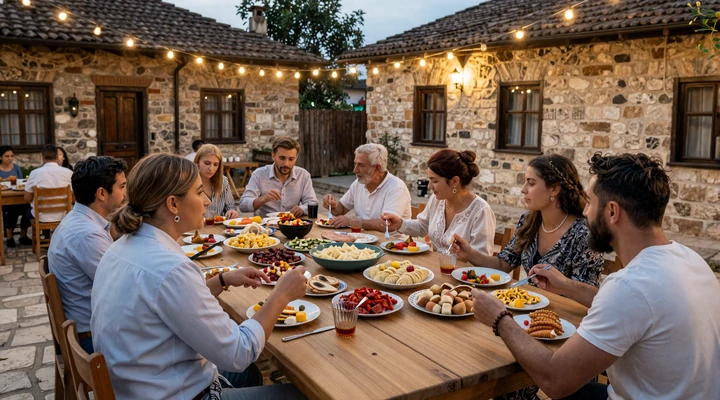
Macedonian multi-generational family sharing a traditional outdoor meal in a warm stone courtyard

For American men, this has practical implications. When your relationship becomes serious, you may find that her parents, siblings, and possibly grandparents become actively involved in your lives. Weekend visits are not optional social calls - they are expected expressions of respect and belonging. Holiday gatherings last entire days, with elaborate meals that her mother has been preparing since dawn. And when you eventually marry, her family may expect (or at least hope) that you live near them rather than across the country.

This is not a burden - it is a gift. Multi-generational living provides built-in childcare, emotional support during tough times, and a sense of belonging that isolated nuclear family structures in America often lack. Men who embrace this system report that their relationships are stronger and more stable precisely because of the family network surrounding them.

Why Her Family's Approval Matters More Than You Think

In American dating culture, introducing your partner to your parents is a casual milestone - sometimes it happens after months of dating, sometimes it never happens at all. In the Balkans, family approval is a prerequisite for relationship advancement, not an afterthought. If her parents do not like you, the relationship faces an uphill battle regardless of how much she cares about you personally.

This dynamic is strongest in Albanian culture, where the concept of besa - a sworn oath of honor - extends to every family member. An Albanian woman who brings you home is effectively vouching for your character to her entire extended family. In Bosnian culture, food and drink are part of the relationship evaluation. Her mother will cook for you, observe how you eat, note whether you compliment the food, and assess your manners at the table. In Croatian and Slovenian families, the approval process may be more subtle but equally decisive - her father's quiet nod of acceptance carries enormous weight.

The key insight is this: winning over her family is not a separate task from building your relationship. It is the same task. When her parents see that you treat their daughter with respect, show genuine interest in their traditions, and make an effort to participate in family life, they become your strongest allies. A Balkan mother who approves of her daughter's partner will move mountains to help the relationship succeed.
How Family Involvement Differs Across Balkan Countries

Comparison of family dynamics in dating across seven Balkan countries
Country Family Role in Dating When You Meet Parents Approval Importance
Albania Besa honor system governs all family relationships; your character is collectively judged Within 2-4 weeks of serious dating Critical - family rejection can end the relationship
Serbia Slava (patron saint day) gatherings are key family bonding events; attendance expected Within 1-2 months; often at a family dinner Very high - her parents influence her decisions strongly
Bosnia Familija culture rooted in zadruga traditions; neighbors (komsija) also matter Within 3-6 weeks; usually over a Bosnian coffee ritual Very high - expect questions about your intentions
Croatia Mediterranean family warmth; long coffee dates include family members Within 1-3 months; often at a Sunday lunch High - father approval particularly valued
Slovenia Direct and pragmatic family involvement; less formal but equally important Within 2-3 months; casual family setting Moderate to high - subtle but decisive
Macedonia Conservative family structure; 49% of women hold higher education degrees yet respect traditional roles Within 2-4 weeks; multi-generational households common Critical - elder approval especially important
Montenegro Patriarchal family values; family reputation is paramount Within 1-2 months; formal introduction expected Very high - family honor tied to partner selection

How to Win Over Her Balkan Family - A Practical Guide

Meeting her family for the first time will likely be one of the most important moments in your relationship. Balkan families are warm, generous, and welcoming - but they are also observant. Every gesture, word, and reaction will be noticed and discussed after you leave. Here is how to make that first impression count:

Always Bring a Gift - Never Arrive Empty-Handed

This is non-negotiable across every Balkan country. A bottle of quality wine, a box of premium chocolates, or fresh flowers for her mother demonstrates respect and gratitude. In Serbian culture, bringing a gift for her grandmother earns extra points. In Albanian households, a gift for the head of the family (usually her father or grandfather) shows deference to family hierarchy. Avoid generic items - choose something that shows you put thought into the selection.

Show Respect to Elders - Stand, Greet, and Listen

When her grandparents or parents enter the room, stand up. Greet them with a firm handshake (in Montenegro, physical greetings are formal). Address them respectfully - use "Mrs." or "Mr." unless they invite you to use first names. Listen when they speak, even if you do not understand every word. Ask your partner to translate, and respond with genuine interest. Elders in Balkan families hold wisdom and authority, and showing deference to them signals maturity and respect.

Accept Every Plate of Food - and Ask for Seconds

Her mother will have spent hours preparing the meal. Refusing food is one of the fastest ways to offend a Balkan family. Eat everything on your plate, compliment the cooking with specifics ("this burek is incredible" is better than "the food is good"), and ask for seconds. In Bosnian and Serbian homes, coffee will be served after the meal - never decline it. Food is the love language of Balkan families, and your appreciation of it speaks louder than any words.

Ask About Family Traditions and History

Balkan families are proud of their heritage. Asking her father about the village he grew up in, or her grandmother about traditional recipes, opens doors that compliments alone cannot. Show curiosity about their customs - Slava celebrations in Serbia, Bajram traditions in Bosnia, or the Albanian kanun system. Your genuine interest signals that you see her family as part of your future, not an obstacle to it.

Learn a Few Words in Her Language

Saying "hvala" (thank you) in Serbian or Croatian, "faleminderit" in Albanian, or "blagodaram" in Macedonian will light up the room. You do not need fluency - even a clumsy attempt at her language tells her family that you respect their culture enough to try. Her grandmother will tell the entire neighborhood about the American who said thank you in their language. It is the smallest investment with the largest return.

Express Your Intentions Clearly and Honestly

Balkan parents will ask - directly or indirectly - what your plans are with their daughter. Vague answers signal uncertainty. Be prepared to state clearly that you are looking for a serious, committed relationship. Mention your career stability, your values, and your respect for family life. In Albania and Macedonia, where family approval is especially decisive, this conversation can determine whether the relationship moves forward.

Summary - Family Is Your Greatest Ally in Balkan Dating

The family values of Balkan women are not a challenge to overcome - they are the foundation of the deep, committed relationships that American men are searching for. From the zadruga communal traditions that shaped centuries of Balkan life, to the modern multi-generational households where Sunday lunches last until evening, family is woven into every aspect of how Balkan women love and build partnerships. When you embrace her family, you gain more than in-laws - you gain a community that will support your relationship through every stage. On Wordspace Dating, the men who succeed are the ones who understand that dating a Balkan woman means dating her entire family. And for men who value loyalty, tradition, and genuine connection, that is exactly the kind of love worth pursuing.

Family-Oriented Balkan Women Looking for Committed Partners

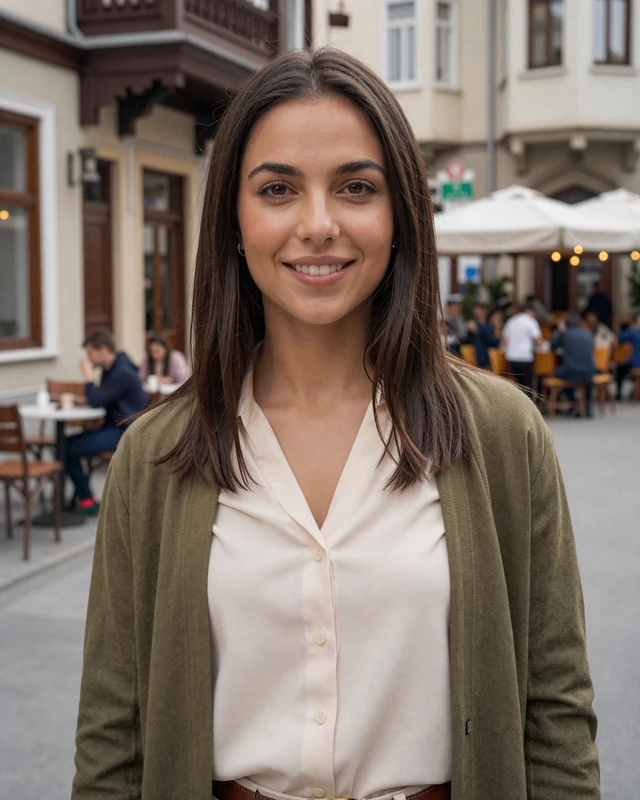
Amra, 26, from Sarajevo Bosnia in a cream blouse and olive cardigan on a charming Ottoman street

Amra

26 · Sarajevo, Bosnia

Close to my family and proud of it. Searching for a man who values tradition, loyalty, and Sunday lunches together.

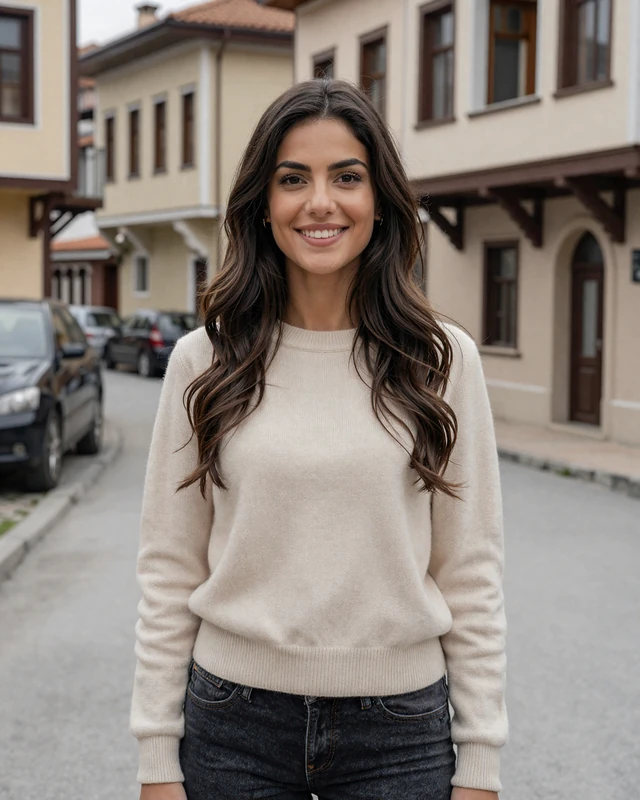
Elena, 27, from Skopje Macedonia wearing a cream cashmere sweater on a historic Ottoman street

Elena

27 · Skopje, Macedonia

Family dinners are my favorite part of the week. Looking for a partner who wants to build something real.

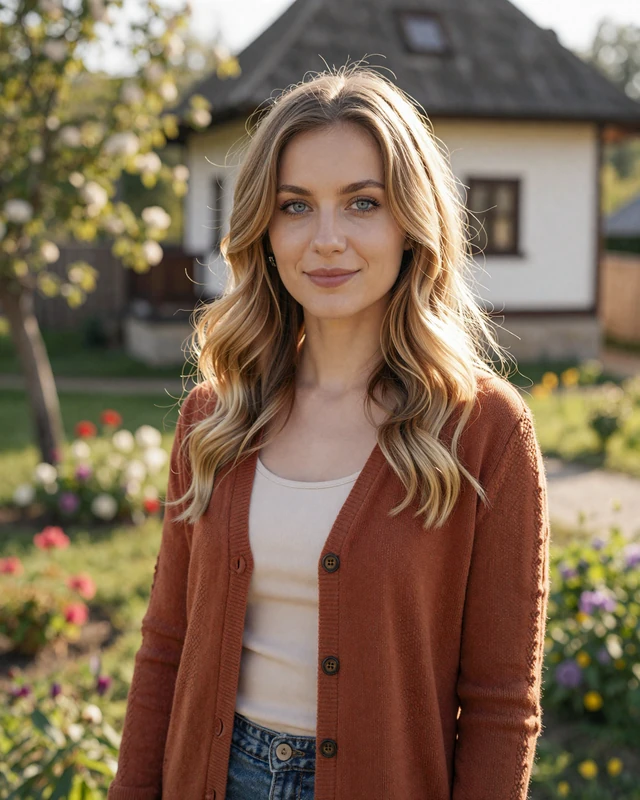
Nevena, 27, from Novi Sad Serbia wearing a terracotta cardigan in a garden with blooming flowers

Nevena

27 · Novi Sad, Serbia

My grandmother taught me to cook sarma, and my mother taught me what true love looks like. Family is everything.

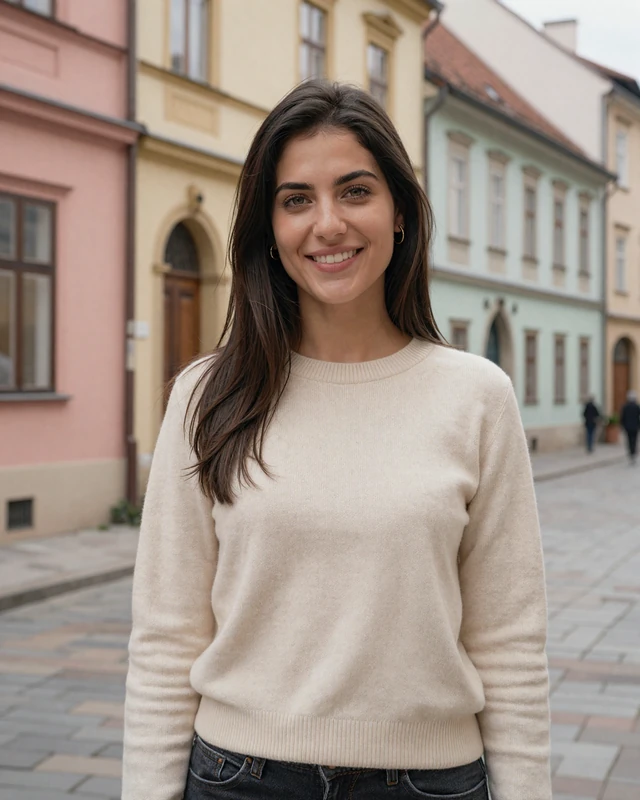
Kata, 28, from Zagreb Croatia in a cream sweater on a charming street with pastel buildings

Kata

28 · Zagreb, Croatia

Coffee with my mom every morning, dinner with the family every Sunday. I want a man who fits naturally into this life.

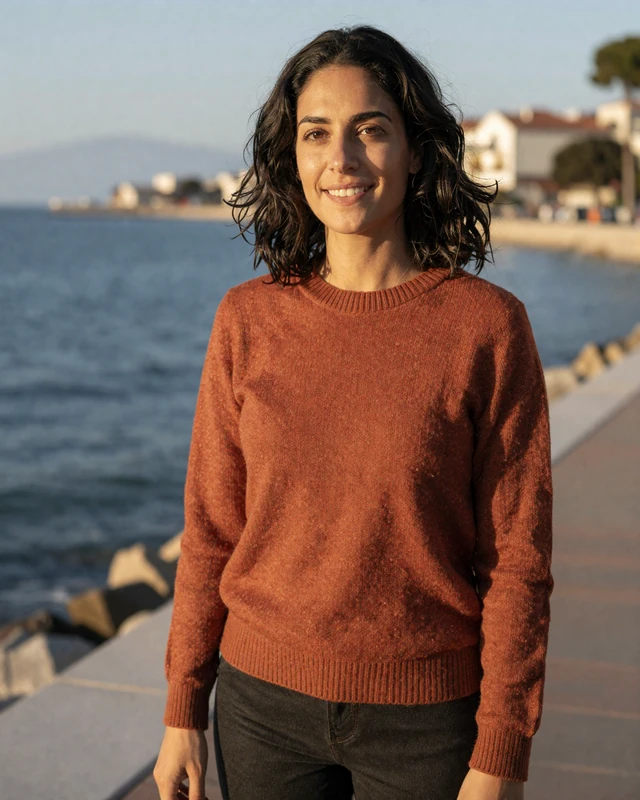
Besa, 28, from Vlora Albania wearing a terracotta sweater on a Mediterranean seaside promenade

Besa

28 · Vlora, Albania

Named after the Albanian word for honor. My family raised me to value loyalty above all things.

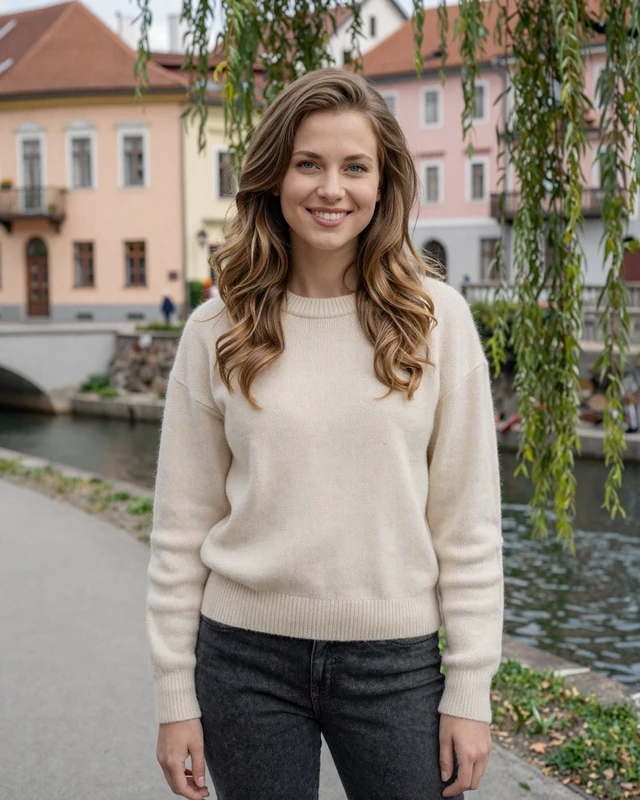
Anja, 27, from Ljubljana Slovenia in a cream sweater along the riverside with pastel buildings

Anja

27 · Ljubljana, Slovenia

Grew up in a home where honesty and respect were the foundation. Looking for a partner who shares those values.

Milena, 26, from Podgorica Montenegro wearing a cream sweater on a modern city street

Milena

26 · Podgorica, Montenegro

Montenegrin through and through. Family honor, Adriatic sunsets, and a heart ready for commitment.

Marija, 30, from Ohrid Macedonia in a terracotta sweater by a crystal blue lake with mountains

Marija

30 · Ohrid, Macedonia

Living by Lake Ohrid with my family nearby. Want someone who understands that love and family are the same thing.

Questions About Balkan Family Dynamics in Dating

Find a Woman Whose Family Values Match Yours

Join Wordspace Dating and connect with family-oriented Balkan women who are ready for a committed, meaningful relationship. Free registration, verified profiles.